"Who Is An Indian?": On The Origins Of A Persistent Misunderstanding
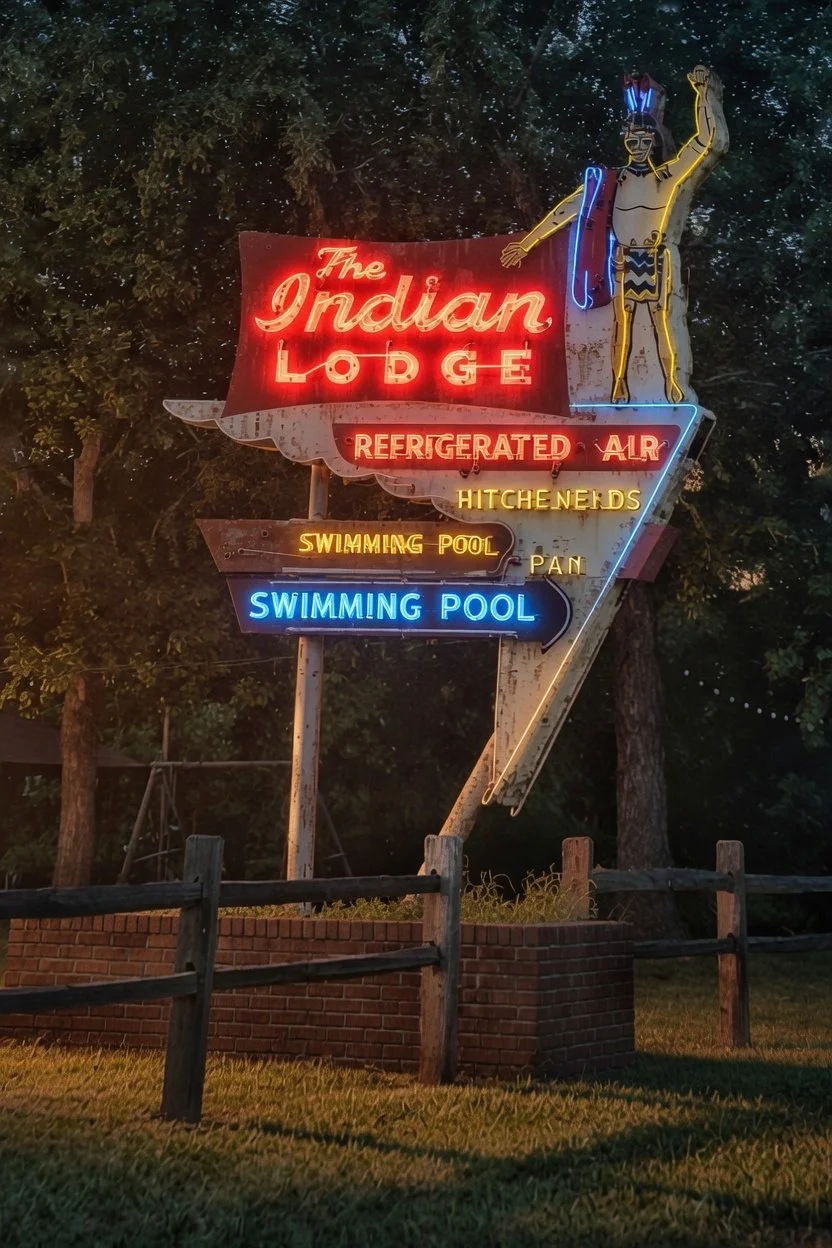
Indian Lodge. Waggoner, OK. Cherokee Nation.
Examining the colonial legacy, administrative categories, and sovereign realities of Indigenous identity. Written as a Chahta citizen living within the Cherokee Nation Reservation in northeastern Oklahoma.
The question "Who is an Indian?" has circulated through Indian Country for more than a century, gathering urgency as identity fraud, institutional confusion, and federal pressure on sovereignty intensify. It is a question that arrives already shaped by outside hands. Its grammar carries the residue of policy offices, census takers, and courts that once believed they could define Indigenous peoples through paperwork alone.
The phrasing seems simple, but its lineage is unmistakably colonial: it presumes the authority to classify, to delimit, to decide. I write as a Chahta citizen living within the Cherokee Nation Reservation in northeastern Oklahoma, where the question is not theoretical. It touches enrollment offices, ceremonial grounds, family histories, and the daily work of tribal governance. It touches the land itself, which remembers more than any federal archive ever managed to record. And it touches the present moment, in which identity is contested not only by institutions but by individuals who mistake ancestry for citizenship, sentiment for belonging, and performance for responsibility.
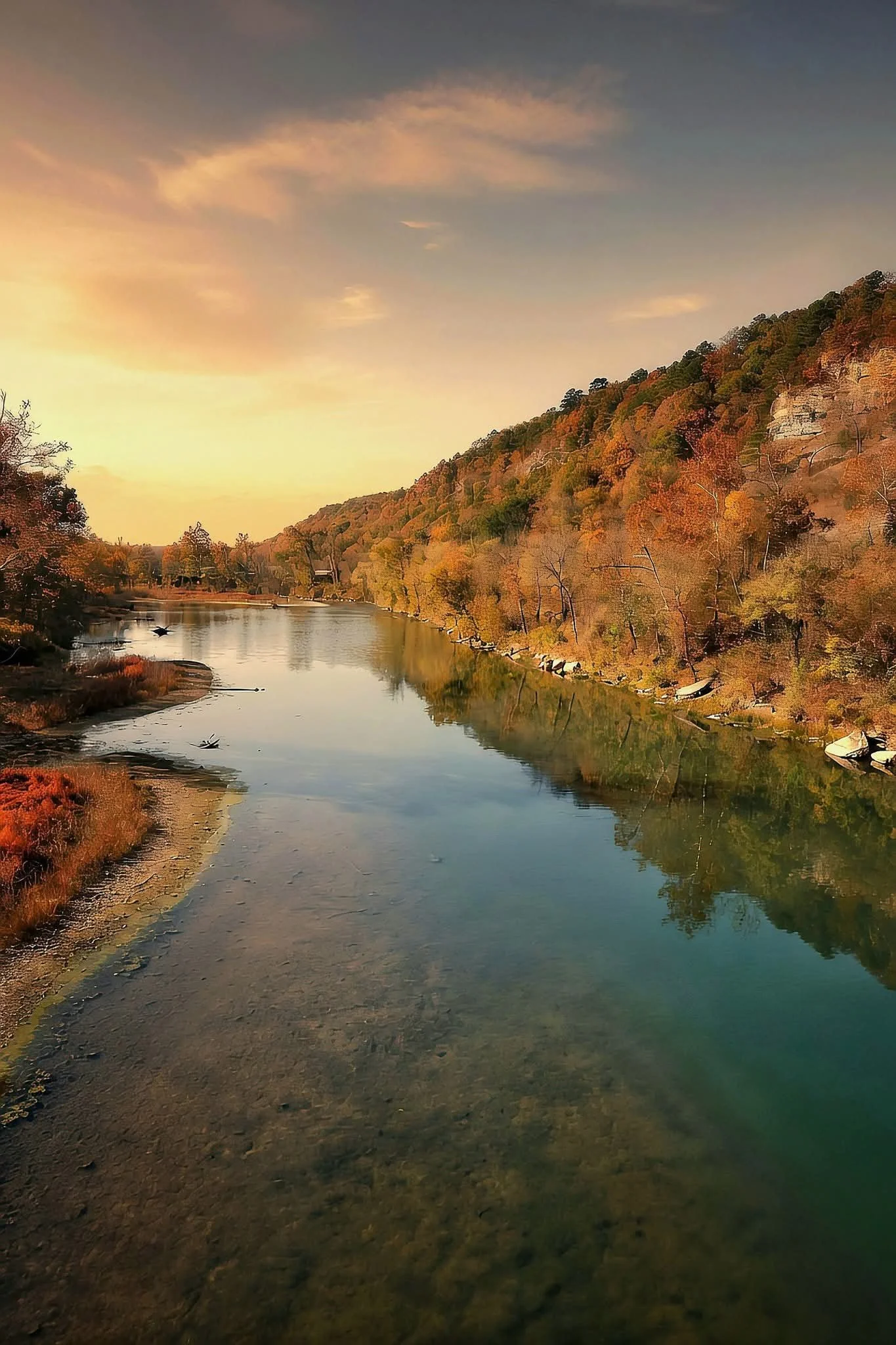
Illinois River at Chewey Bridge. Adair Co., OK Cherokee Nation.
The question persists because the United States built an administrative category and then mistook it for a people. The Dawes Rolls, created to facilitate allotment, were never ethnographic documents; they were instruments of land conversion. Blood quantum, introduced as a bureaucratic convenience, was never an Indigenous measure of belonging. These mechanisms were designed to manage obligations, not to illuminate identity. Over time, they hardened into a public assumption that Indigeneity could be captured by paperwork, genealogy, or appearance.
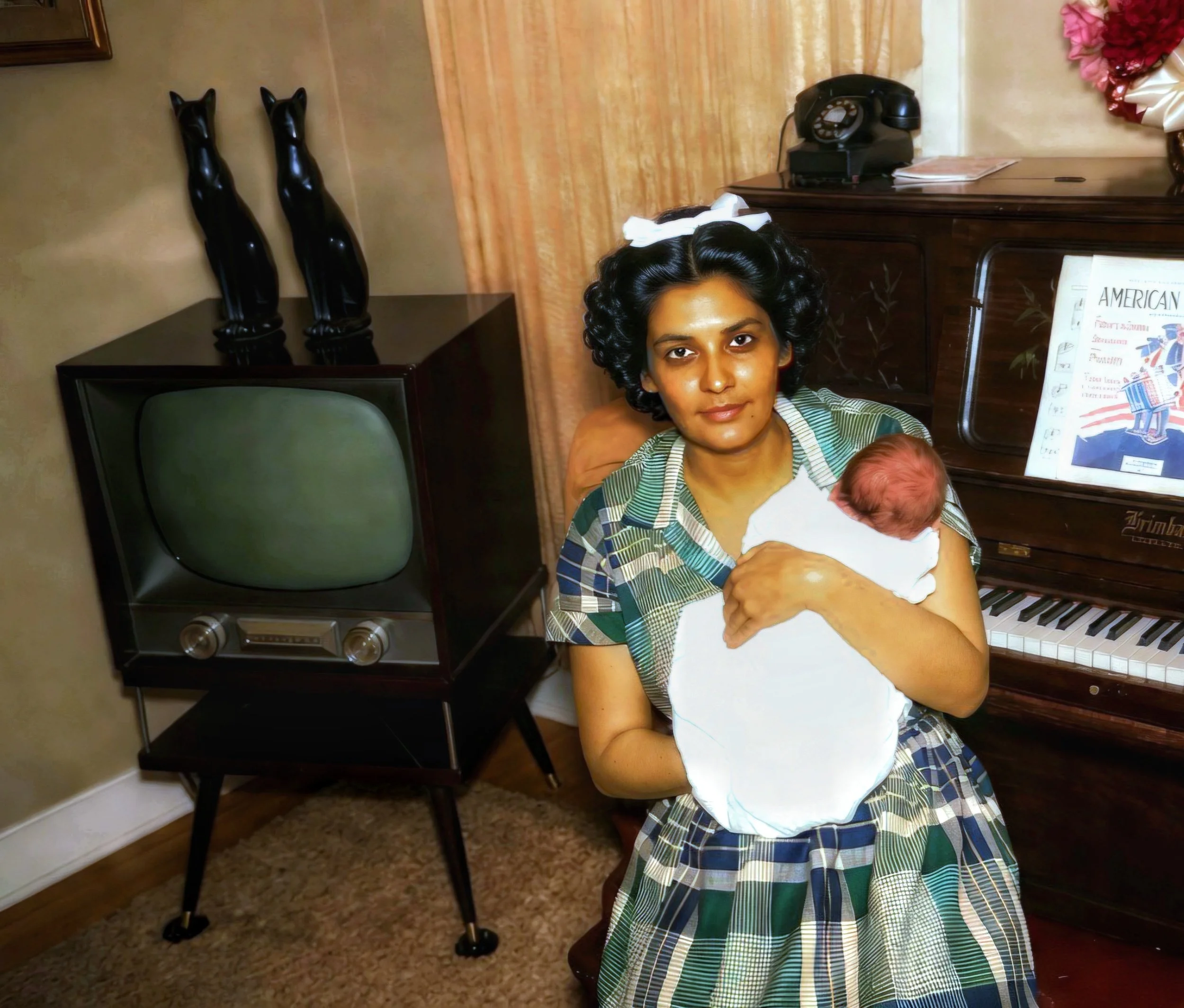
Author and Mother. Atoka, OK. 1959. Choctaw Nation of OK.
The racialization of Indigeneity followed quickly. American culture, trained by textbooks and Hollywood, began to imagine a single, pan‑tribal figure—an abstraction with no nation, no governance, no specificity. This figure still shapes public understanding, making it possible for identity fraud to flourish and for institutions to confuse personal narrative with sovereign belonging. The result is a landscape in which the question "Who is an Indian?" is asked earnestly, but almost always from the wrong angle.

Choctaws and Apaches! Wildcat Basketball. Chahta Nation.
Indigenous nations possess inherent sovereignty, recognized repeatedly in federal law. That sovereignty includes the right to define membership. No external entity—governmental, academic, or cultural— holds legitimate authority over tribal citizenship. This is not a matter of sentiment. It is constitutional fact. And yet the question persists because sovereignty itself is often misunderstood, flattened into a cultural identity rather than recognized as a political one.
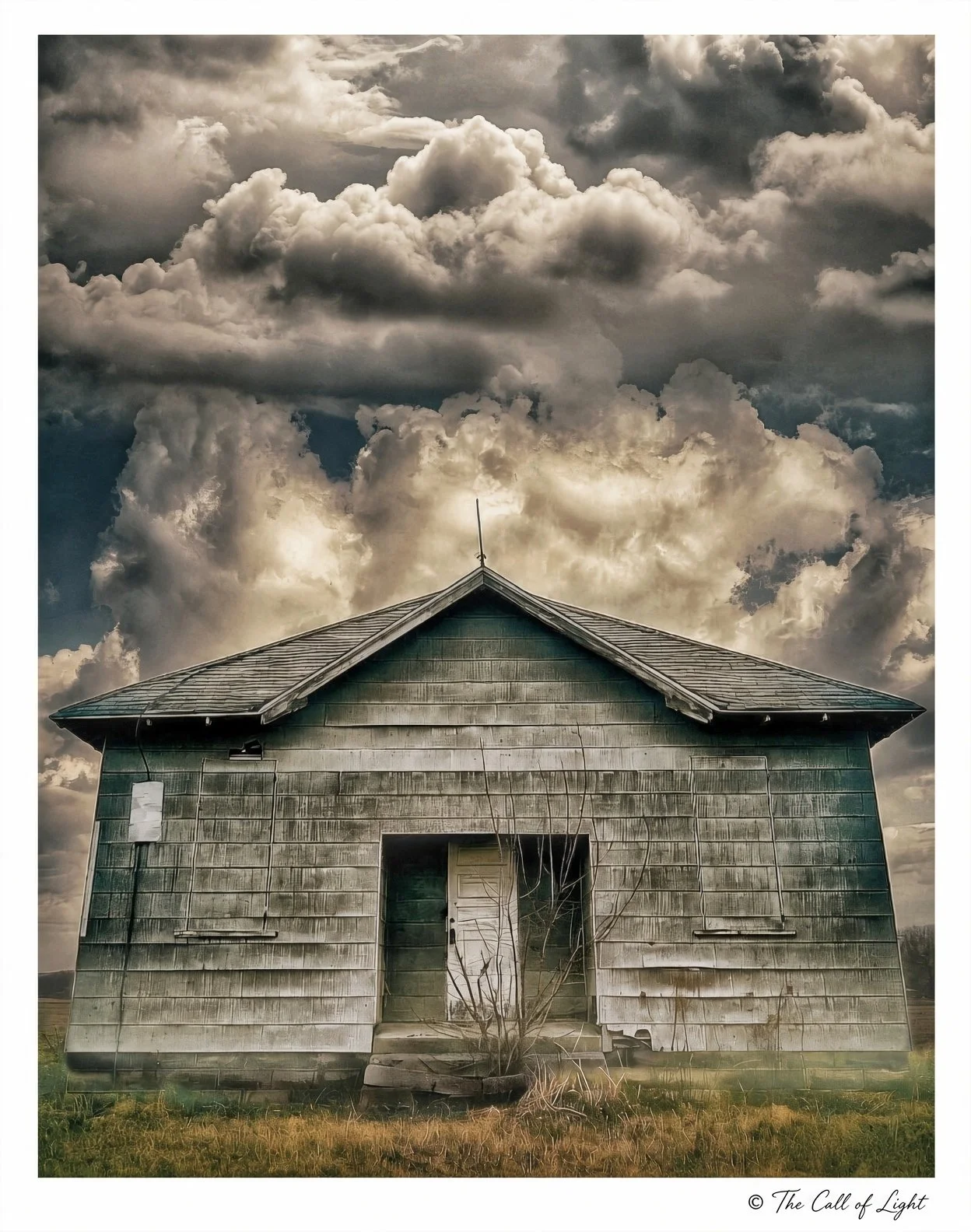
Old Cherokee School. Cherokee County. Cherokee Nation.
The crisis, then, is not identity. The crisis is the refusal to understand Indigeneity as sovereign, relational, and political. The crisis is the persistence of a question that was never designed to reveal anything true about Indigenous nations. The crisis is the colonial scaffolding that still shapes public imagination, even as Indigenous nations continue the work of defining themselves on their own terms.
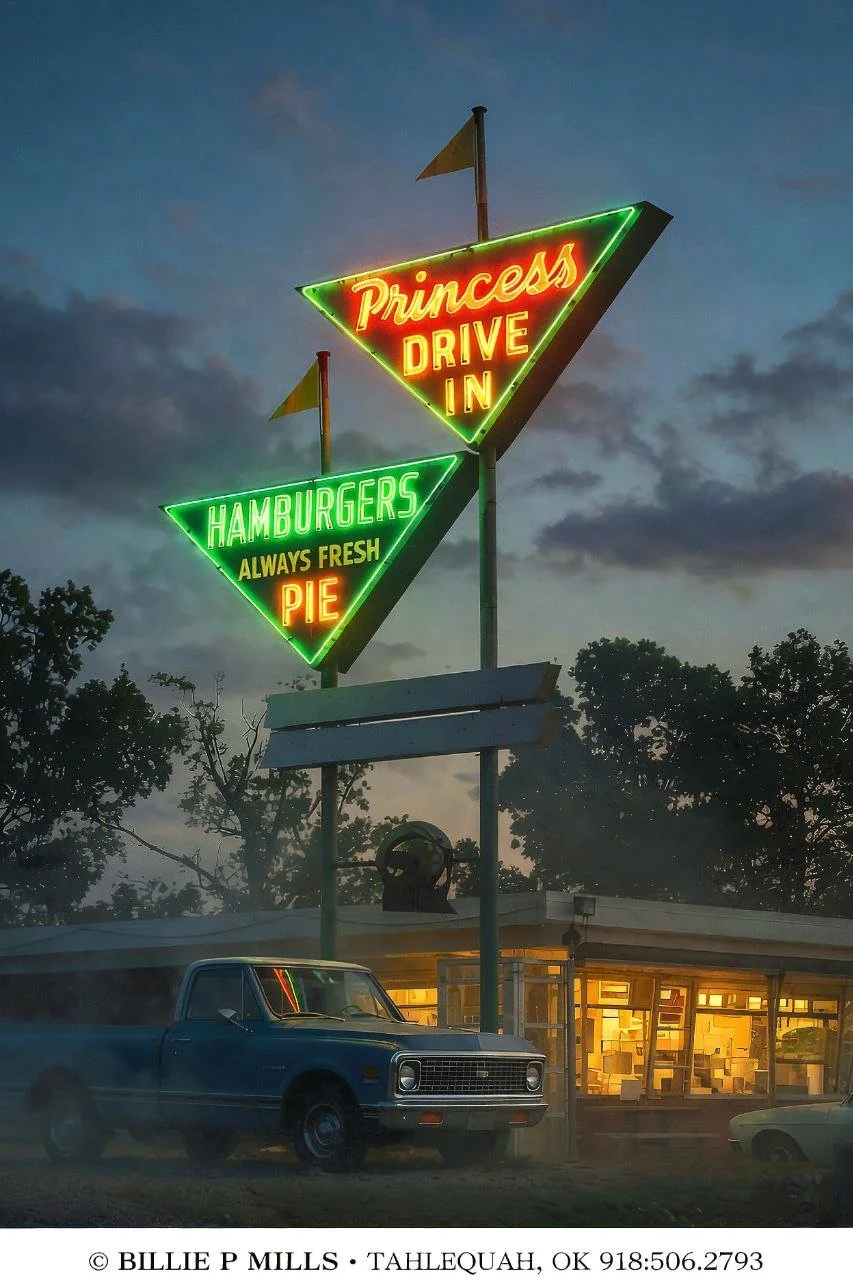
The Princess Drive-In. Park Hill, OK. Cherokee Nation of Oklahoma.
This series begins by dismantling the question itself. The essays that follow move from the origins of the category to the land that remembers what paper forgets, to the cultural theater of identity fraud, to the central truth that sovereignty is the only legitimate authority, and finally to the future of Indigenous belonging beyond the arithmetic of blood quantum. Each essay stands alone, but together they form a single argument: identity without sovereignty is noise, and sovereignty without relationship is incomplete.
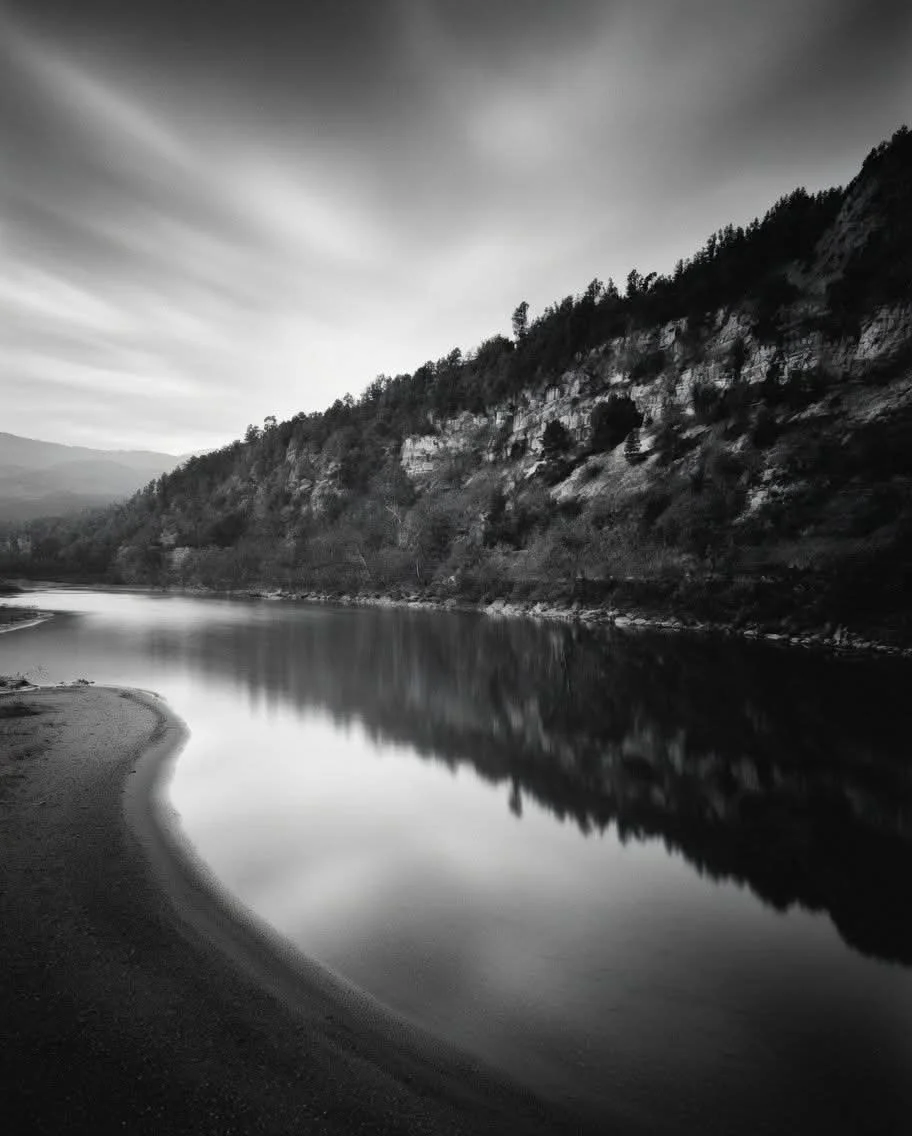
Illinois River. Mayes Co., OK. Cherokee Nation of OK.
This is not a lament. It is a reclamation.
About The Author
Billie Paul Mills (publishing sometimes as Alexander Dumas) is a Choctaw writer, photographer, and painter whose work moves between traditional and modern Indigenous idioms to document the life, landscapes, and people of Native Oklahoma.
A registered artist of the Choctaw Nation and an adjunct lecturer in philosophy and ethics, he resides on remote allotment ground within the Cherokee Reservation, following an international career in the developing nations of the Near East, and Asia. He is Editor and Co-Founder of The Call of Light, an arts journal based in Rajashahi, Bangladesh.